

Business vehicle finance
What small businesses should know
For many small businesses, a vehicle is not just a way to get from one place to another. It can be part of how the business operates, serves customers and generates income.
But buying a business vehicle can also put pressure on cash flow. That is where business vehicle finance can help.
Instead of paying the full vehicle cost upfront, business vehicle finance allows a business to spread the cost over time. This can make it easier to get the vehicle the business needs while keeping working capital available for other expenses.
Why business vehicle finance can be useful
Cash flow is one of the biggest challenges for many small businesses.
A vehicle may be essential, but paying for it in one lump sum can reduce the money available for wages, stock, equipment, marketing, rent or unexpected costs.
Business vehicle finance can help by turning a large upfront purchase into regular repayments. This gives the business more flexibility and makes the cost easier to plan for.
For some businesses, finance may also make it possible to choose a more suitable vehicle rather than settling for the cheapest option available on the day. A reliable vehicle can reduce downtime, improve professionalism and support the business for longer.
Business vehicle finance vs personal car finance

Business vehicle finance is used when the vehicle is mainly for business purposes. Personal car finance is used when the vehicle is mainly for private use.
The difference matters because the lender will usually look at the application differently.
For business vehicle finance, the lender may consider the type of business, how long it has been operating, business income, bank statements, cash flow and how the vehicle will be used.
For personal car finance, the lender will usually focus more on personal income, expenses, credit history and affordability.
What types of vehicles can be financed?
Business vehicle finance can apply to different types of vehicles, depending on the business need and lender criteria.
This may include:
- Cars for business travel
- Utes for trades and construction
- Vans for delivery or mobile services
- Light commercial vehicles
- Company cars
- Vehicles for sales teams or staff use
What lenders may look at

When assessing a business vehicle loan, lenders usually want to understand whether the loan is suitable and whether the repayments are affordable.
They may look at:
- How long the business has been operating
- Business income and expenses
- Bank statements
- GST registration, if applicable
- The vehicle being purchased
- The loan amount
- The proposed repayment term
- The business owner’s credit history
- Whether the vehicle will be used as security
Every application is different. A newer business may need to provide more information than an established business with a longer trading history. A lender may also ask for personal guarantees, depending on the business structure and the loan.
Secured business vehicle finance
Many business vehicle loans are secured against the vehicle being purchased. This means the vehicle is used as security for the loan.
Secured finance can sometimes help make the loan more accessible because the lender has an asset linked to the lending. However, it also means that if repayments are not made, the lender may have the right to repossess and sell the vehicle to recover the debt.
That is why it is important to choose repayments the business can realistically manage, even during quieter trading periods.
Think beyond the monthly repayment

A common mistake is choosing a vehicle based only on the repayment amount. The repayment is important, but it is not the full cost of running the vehicle. Before applying for business car finance, it is worth thinking about:
- Fuel or charging costs
- Insurance
- Registration and WOF
- Servicing and repairs
- Tyres
- Road user charges, if applicable
- Parking and tolls
- Downtime if the vehicle is unreliable
A cheaper vehicle may not always be the cheapest option in the long run if it needs frequent repairs or does not suit the work required. A slightly more expensive but reliable vehicle may be better for the business if it reduces disruption and supports daily operations.
New or used business vehicle?
Both new and used vehicles can make sense for a small business.
A new vehicle may come with newer safety features, warranty cover and lower maintenance risk in the early years. It may also help present a more professional image, especially if the vehicle is customer-facing or branded.
A used vehicle may cost less upfront and may suit businesses that want to keep repayments lower. However, it is important to check the vehicle’s condition, service history and expected running costs.
The best choice depends on the business, the budget and how heavily the vehicle will be used.
How the loan term affects the total cost
A longer loan term can reduce regular repayments, which may help cash flow. But it can also increase the total amount of interest paid over the life of the loan.
A shorter loan term may mean higher repayments, but the loan may be paid off sooner and cost less overall.
For small businesses, the right loan term should balance affordability with the expected useful life of the vehicle. If the business is likely to replace the vehicle in three or four years, it may not make sense to stretch the finance over a much longer period.
Tax and business vehicle expenses

Business vehicle costs may have tax implications. For example, businesses may be able to claim some running costs where the vehicle is used for business, and depreciation may apply to business assets.
However, tax treatment can depend on how the vehicle is used, how the business is structured, whether there is private use, and whether the business is GST registered.
It is a good idea to speak with an accountant or tax adviser before making a decision based on tax alone. A vehicle should make sense for the business first, not just because of a possible tax benefit.
Questions to ask before applying
Before applying for business vehicle finance, it helps to ask a few practical questions:
- What will the vehicle be used for?
- How often will it be used?
- Will it be used mainly for business or also for personal driving?
- What repayment amount can the business comfortably manage?
- How long does the business plan to keep the vehicle?
- Will the vehicle help the business earn income or operate more efficiently?
- What running costs need to be included in the budget?
These questions can help the business choose a vehicle and loan structure that fit the real needs of the business.
What to remember before choosing business vehicle finance
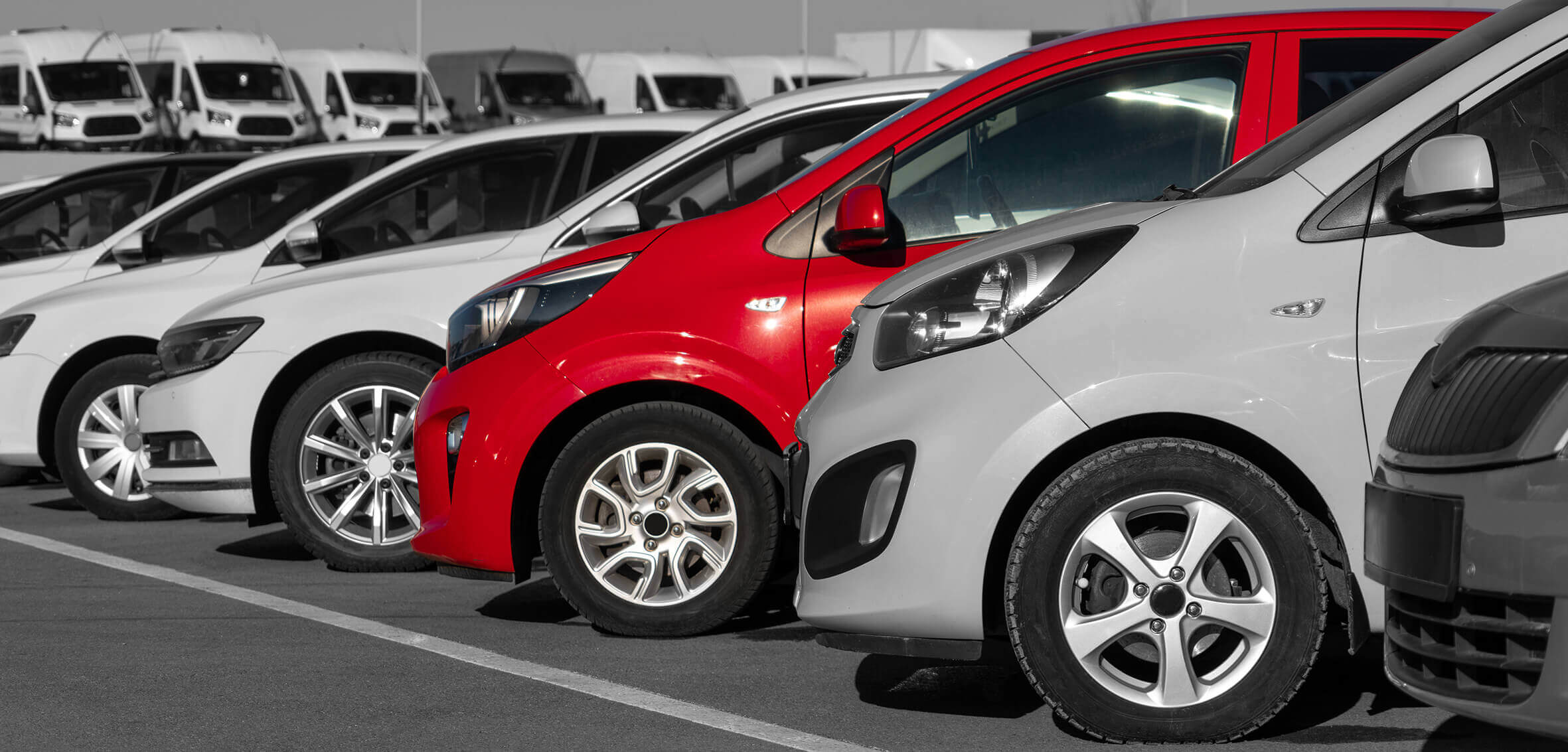
Business vehicle finance can be a useful option for small businesses that need a car, ute, van or light commercial vehicle to support their work.
Before choosing a loan, look at the full picture: the vehicle cost, repayments, interest, fees, loan term, running costs and how the vehicle will support the business.
The best option is not always the cheapest vehicle or the lowest repayment. It is the option that fits the business, supports cash flow and helps the business keep moving.
Looking for business vehicle finance?

Oxford Finance offers business vehicle finance options for small businesses across New Zealand. Whether you need a car, ute or commercial vehicle, our team can help you understand your options and find a finance structure that suits your business needs.
Apply online or talk to us about business vehicle finance today.
