
What it means and how it works
Buying a car is much easier when you know what you can afford before you start looking.
Without finance in place, it can be tempting to fall in love with a car first and work out the numbers later. But that can lead to disappointment if the repayments are higher than expected, or if the vehicle is outside your real budget.
Car loan pre-approval can help you approach the buying process with more confidence. It gives you an indication of how much you may be able to borrow, what your repayments could look like, and what price range may be realistic before you commit to a vehicle.
What is car loan pre-approval?
Car loan pre-approval is when a lender gives you an indication that you may be able to borrow a certain amount, subject to final checks and conditions.
It is not always the same as final loan approval. Final approval usually happens once you have chosen the vehicle and the lender has checked the details.
Pre-approval can still be very useful because it gives you a clearer starting point. Instead of guessing your budget, you can shop with an estimated finance limit in mind.
For example, if you are looking at cars online or visiting dealerships, pre-approval can help you focus on vehicles that are more likely to fit your budget.
Why pre-approval can make car shopping easier

One of the hardest parts of buying a car is knowing where to start.
There may be hundreds of vehicles available, but not all of them will suit your budget, your needs or your finance situation.
Pre-approval can help narrow the search. It may give you a better idea of:
- How much you may be able to borrow
- What your repayments could be
- What loan term may suit your budget
- Whether a car is within a realistic price range
- What deposit you may need, if any
This can save time and reduce stress. It can also help you avoid spending too much time looking at cars that are outside your budget.
Pre-approval can help you stay in control
When you know your budget before you start shopping, it is easier to make a practical decision.
A car may look affordable based on the sale price alone, but the real question is whether the repayments fit your weekly, fortnightly or monthly budget.
Pre-approval helps shift the focus from “Can I buy this car?” to “Can I comfortably manage this loan?”
That difference matters.
A car loan should help you get the vehicle you need without putting unnecessary pressure on your finances.
How does car loan pre-approval work?
The process can vary between lenders, but it usually follows a few simple steps.
First, you provide information about yourself, your income, your expenses and the type of finance you are looking for.
The lender then assesses whether the loan appears affordable and suitable for your circumstances. In New Zealand, lenders must follow responsible lending obligations, which include checking affordability and suitability before providing credit. They must also give borrowers key information in writing before a loan is entered into.
If the lender is comfortable with the information provided, they may offer pre-approval up to a certain amount.
After that, you can start looking for a vehicle within that range. Once you choose the car, the lender will usually need to check the vehicle details before giving final approval.
What information may you need to provide?

When applying for vehicle loan pre-approval, you may be asked for information such as:
- Your name and contact details
- Proof of identity
- Employment details
- Income information
- Regular expenses
- Existing debts or loans
- Bank statements
- Details about the type of vehicle you want to buy
You may not need to know the exact vehicle at the pre-approval stage, but it helps to have an idea of the type of car you are looking for. For example, a small hatchback, family SUV, ute, van or work vehicle.
The more accurate your information is, the more useful the pre-approval may be.
Is pre-approval guaranteed?
No, pre-approval is usually conditional.
This means the lender may still need to complete final checks before the loan can proceed. These checks may include the vehicle price, vehicle age, security details, insurance requirements, or any changes in your financial situation.
For example, if you are pre-approved and then choose a much more expensive car, the lender may need to reassess the application.
If your income, employment or expenses change after pre-approval, that could also affect the final decision.
So while pre-approval is helpful, it should not be treated as a final guarantee until the lender confirms full approval.
Why the vehicle still matters
Even if you are pre-approved, the lender will usually still need to approve the vehicle.
This is especially important when the loan is secured against the car. In a secured car loan, the vehicle is used as security for the loan.
The lender may look at the vehicle’s age, condition, value and whether there is any money owing on it.
This is one reason it is important to be careful when buying privately. Consumer Protection recommends checking whether there is money owing on a vehicle before buying, because a car with an existing security interest may create problems for the buyer.
Pre-approval and buying from a dealer

If you are buying from a dealer, pre-approval can help you understand your budget before you visit the yard.
It can make conversations easier because you already have an idea of what you may be able to spend. It may also help you avoid being pushed towards a vehicle or repayment structure that does not suit your situation.
Buying through a dealer can also make some parts of the process simpler, because the vehicle details are usually easier to confirm.
Pre-approval and buying privately
If you are buying from a private seller, pre-approval can still be useful.
It gives you a clearer budget before you start contacting sellers. It can also help you move faster if you find the right car.
However, private sales require extra care. You may have fewer protections than when buying from a registered motor vehicle dealer, so it is important to check the car properly before committing.
Before buying privately, consider checking:
- Whether money is owing on the car
- The vehicle history
- WOF and registration
- Service records
- Whether the seller is the legal owner
- The condition of the car
- Whether an independent inspection is needed
A good price is only useful if the car is reliable and legally safe to buy.
Does pre-approval affect your credit score?
Applying for finance may involve a credit check. The exact impact can depend on the type of check and your overall credit history.
It is a good idea to avoid making many loan applications with different lenders in a short period unless you need to. Multiple applications may make your finances look less stable.
Instead, it can be better to choose a lender or finance provider carefully and submit one accurate application.
How long does pre-approval last?

Pre-approval usually lasts for a limited time. The exact period depends on the lender.
This is because your financial situation can change. Your income, expenses, debts or employment status may be different later, so the lender may need to reassess the application if too much time has passed.
If you do not find a car straight away, check with the lender before assuming the pre-approval is still valid.
How much should you borrow?
Pre-approval may show how much you could borrow, but that does not always mean you should borrow the full amount.
It is worth thinking carefully about what repayment amount feels comfortable, not just what is technically possible.
Before deciding on a car, think about the full cost of ownership, including:
- Fuel or charging costs
- Insurance
- Registration
- WOF
- Servicing
- Repairs
- Tyres
- Road user charges, if applicable
A slightly cheaper car with manageable repayments may be a better choice than stretching your budget to the limit.
Pre-approval vs using a car loan calculator
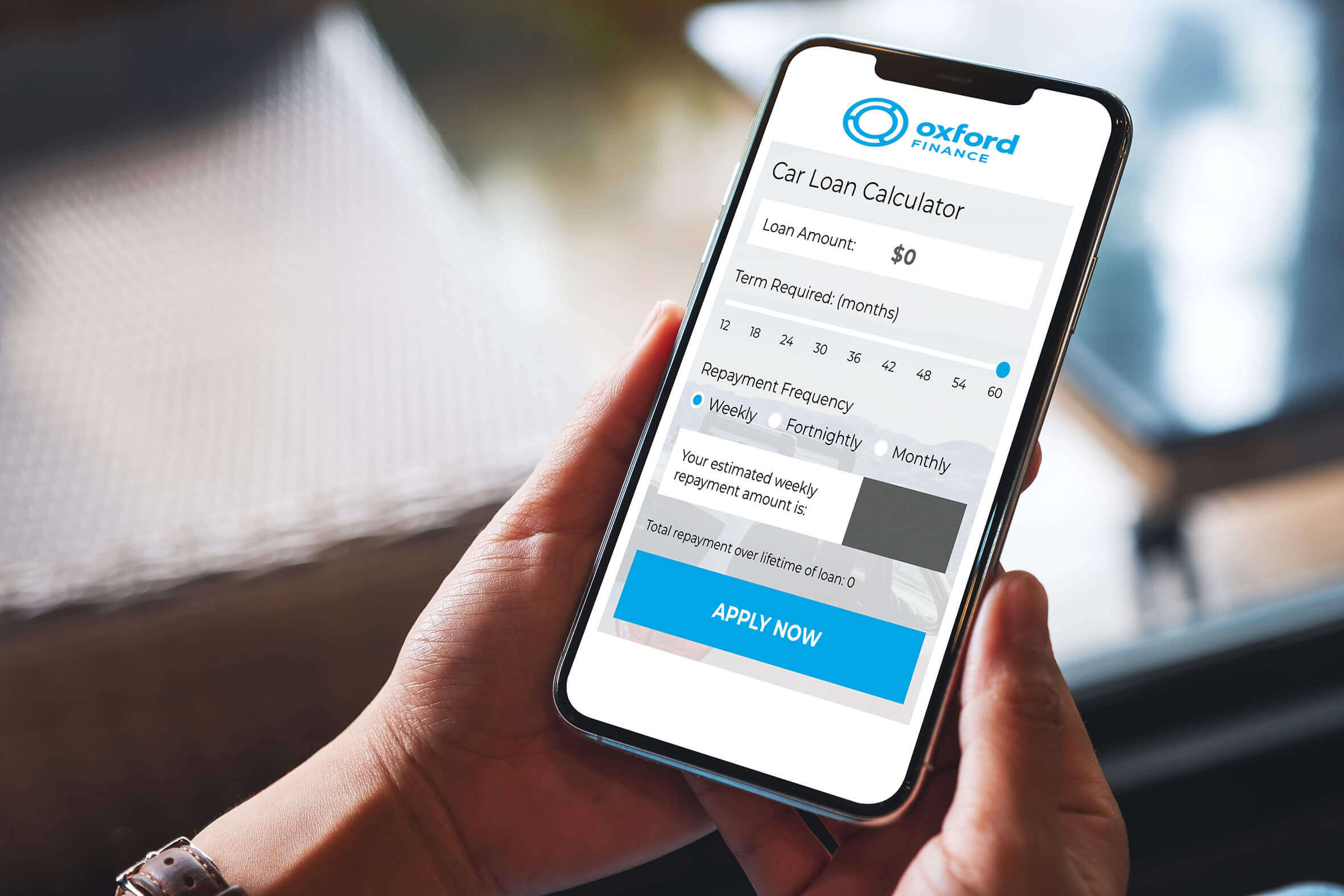
A car loan calculator and pre-approval are useful at different stages.
A calculator can help you estimate repayments before you apply. You can test different loan amounts, loan terms and repayment options.
Pre-approval goes one step further because it is based on an assessment of your actual situation.
A good approach is to use a car loan calculator first, then apply for pre-approval when you are ready to start looking seriously.
Common mistakes to avoid
One common mistake is shopping for the car first and thinking about finance later. This can lead to disappointment if the vehicle is outside your budget.
Another mistake is focusing only on the weekly repayment. A low repayment may look attractive, but a longer loan term can increase the total cost of the loan.
It is also important not to assume pre-approval means every vehicle will be accepted. The lender may still need to approve the car.
Finally, avoid guessing your income or expenses on the application. Accurate information helps the lender assess the loan properly and can make the process smoother.
What to remember before applying for pre-approval
Car loan pre-approval can help you understand your budget before you start car shopping.
It can give you more confidence, help narrow your search, and make it easier to compare vehicles within a realistic price range.
But pre-approval is usually conditional. Final approval will normally depend on the vehicle, your financial situation, and the lender’s checks.
The best approach is to be realistic about what you can afford, understand the total cost of the loan, and choose a vehicle that suits both your lifestyle and your budget.
Looking for car loan pre-approval?
Oxford Finance offers car finance options for customers across New Zealand. Whether you are buying from a dealer or looking for a vehicle privately, pre-approval can help you understand your budget before you commit.
Use our car loan calculator to estimate your repayments, or apply online for car loan pre-approval today.